
When it comes to serious eye conditions, the difference between retinal tear or detachment is not just technical, it is critical. Both involve damage to the retina, but one is an early warning sign while the other is a full-blown emergency.
The retina is responsible for capturing light and sending signals to the brain. When it is disrupted, vision suffers. A retinal tear can exist briefly without major vision loss. A detachment, on the other hand, can quickly threaten sight if not treated in time.
Understanding how these two conditions differ can help you act faster and avoid long-term damage.
What Is a Retinal Tear?
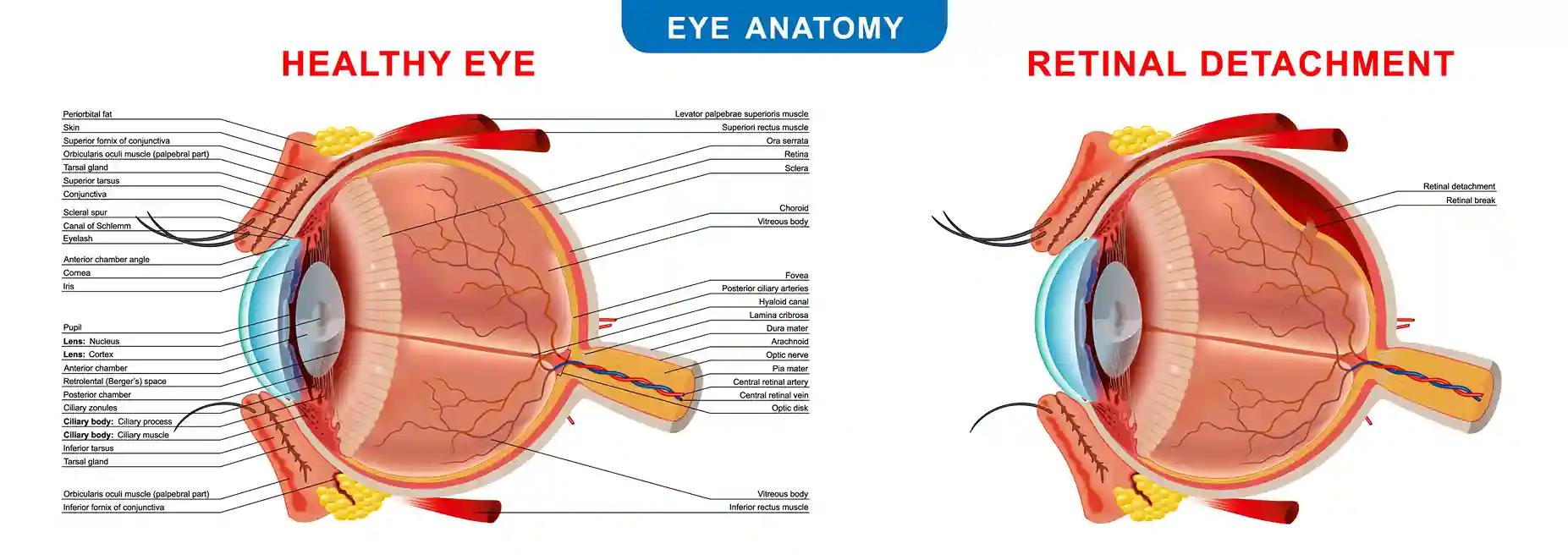
A retinal tear occurs when the vitreous gel inside the eye pulls on the retina and creates a small break. This is usually part of the natural aging process, where the gel shrinks and separates from the retinal surface.
In many cases, the tear itself does not immediately affect central vision. That is why it is often underestimated. However, the risk lies in what can happen next. Once a tear forms, fluid can seep underneath the retina, increasing the chance of progression to detachment.
This is why retinal tear causes are taken seriously, even if symptoms seem mild at first.
Symptoms of Retinal Tear
The symptoms of retinal tear are often subtle but important. These signs should never be ignored, even if they appear suddenly and then settle.
- Sudden appearance of floaters or spots
- Flashes of light, especially in peripheral vision
- Mild blurred or hazy vision
- Small shadow or spot in the field of vision
These symptoms act as early warnings. Catching a tear at this stage makes treatment much simpler and more effective.
What Is Retinal Detachment?
Retinal detachment occurs when the retina separates from the layer beneath it that supplies oxygen and nutrients. Once this separation happens, the affected portion of the retina cannot function properly.
Unlike a tear, detachment directly impacts vision. It often starts at the edges and may progress toward the center. If central vision becomes involved, the risk of permanent damage increases significantly.
A detached retina cause is often an untreated tear, but it can also result from trauma, advanced retinal problems, or complications from conditions like diabetes.
Early Symptoms Retinal Detachment
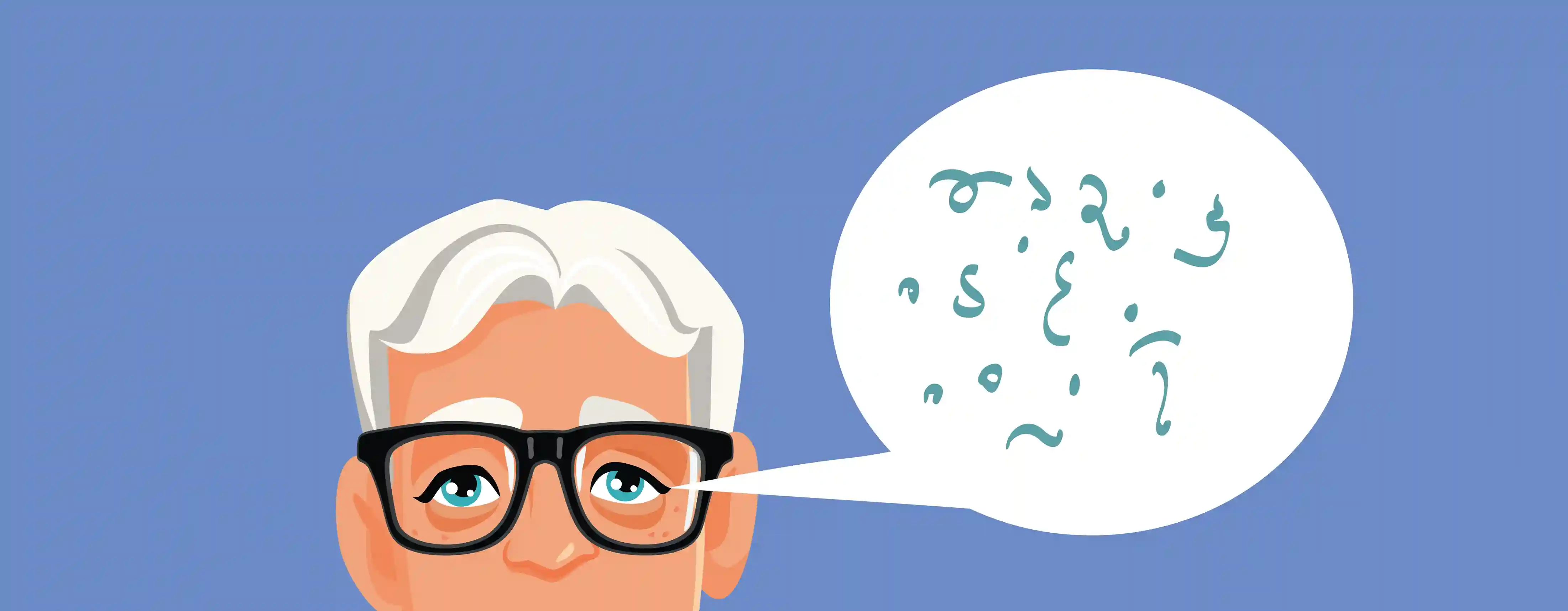
Early symptoms retinal detachment tend to be more noticeable and progressive compared to a tear. These signs often indicate that the condition is advancing.
- A shadow or curtain moving across vision
- Sudden increase in floaters
- Bright flashes of light
- Distorted or blurry central vision
- Partial vision loss
Curtain vision loss is one of the most recognizable signs. It usually spreads across the visual field and signals active detachment.
Does a Detached Retina Hurt?
A common question is, does a detached retina hurt? The answer is no. Neither a retinal tear nor a detachment typically causes pain.
This lack of discomfort often leads to delays in seeking care. People expect serious conditions to hurt, but the retina does not work that way. It signals problems through vision changes, not physical pain.
That is why awareness of visual symptoms is so important.
Key Differences Between Retinal Tear and Detachment
To clearly understand retinal tear or detachment, it helps to compare them directly.
- A retinal tear is a small break, while detachment is a separation
- A tear may cause mild symptoms, while detachment causes significant vision changes
- A tear can often be treated quickly, while detachment requires surgery
- A tear is a warning stage, while detachment is an emergency
Treatment of Retinal Tear vs Detachment
Treatment depends entirely on the stage of the condition.
For a retinal tear
Laser therapy or cryotherapy is used to seal the tear and prevent fluid from passing through. These procedures are quick and highly effective when performed early.
For retinal detachment
Surgical intervention is required. Procedures such as vitrectomy or scleral buckle are used to reattach the retina. Recovery takes longer, and visual outcomes depend on how quickly treatment is performed.
In both cases, timing plays a major role in preserving vision.
Why Timing Is Everything
The difference between maintaining vision and losing it often comes down to how quickly you act. A retinal tear may remain stable for a short period, but it can progress without warning.
Once detachment occurs, the situation becomes urgent. If central vision is affected, recovery becomes less predictable even after successful treatment.
Recognizing early symptoms retinal detachment and acting immediately is what protects long-term vision.
When to See a Specialist
You should not wait if you notice sudden visual changes. Even mild symptoms can indicate a developing problem.
- Sudden flashes of light
- New floaters
- A shadow in vision
- Curtain-like vision loss
- Rapid decline in clarity
A retina specialist can determine whether the issue is a tear or detachment and recommend the right course of action. Early evaluation often means simpler treatment and better outcomes.
The Bigger Picture
Retinal tear or detachment is not just a medical distinction. It is a timeline. One is the early stage, the other is the consequence of delay.
The good news is that modern treatments are highly effective. The bad news is that they depend heavily on timing. Ignoring early signs increases the risk of permanent vision loss.
The retina does not give many warnings, but when it does, they are clear. Flashes, floaters, shadows, and distortion are not random. They are signals.
Pay attention to them. Because in this case, catching the problem early is what keeps your vision intact.