
CRVO, or central retinal venous occlusion, is one of the leading causes of sudden vision loss in adults. It occurs when the main vein responsible for draining blood from the retina becomes blocked. This blockage disrupts normal blood flow, leading to swelling, bleeding, and impaired vision.
Many patients first notice blurred vision in one eye causes that seem to appear without warning. Understanding CRVO, especially the difference between ischemic vs non ischemic CRVO, is essential for early diagnosis and treatment.
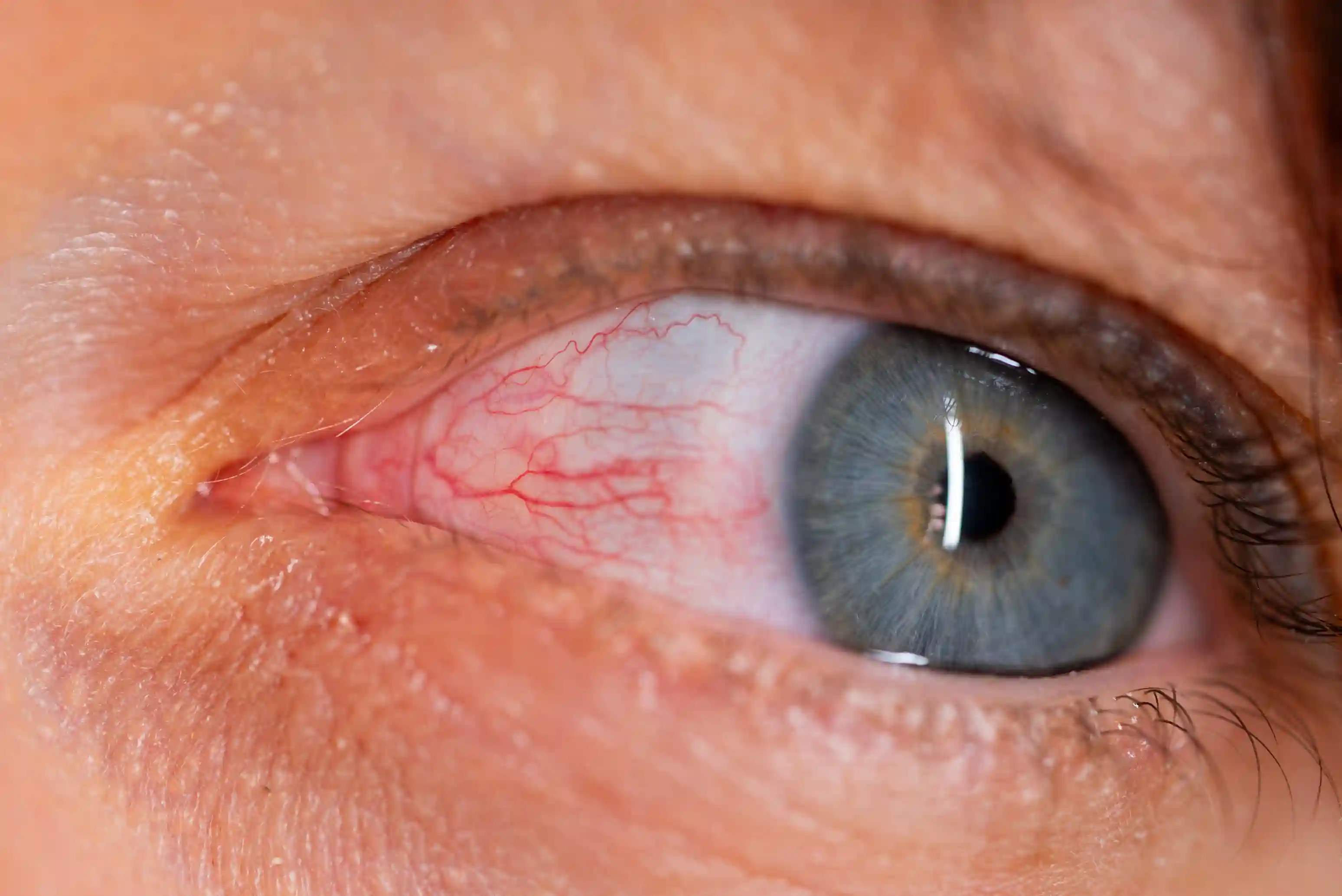
What Is CRVO and Why Does It Happen?
CRVO happens when the central retinal vein becomes obstructed, preventing blood from flowing out of the retina. As a result, pressure builds up inside the retinal blood vessels, causing leakage and damage.
The causes of CRVO are often linked to systemic health conditions. These include high blood pressure, diabetes, high cholesterol, and blood clotting disorders. Aging also plays a role, as blood vessels naturally become less flexible over time.
Unlike gradual retinal conditions, CRVO often presents as one of the more alarming sudden vision loss causes, making immediate evaluation critical.
Types of CRVO: Ischemic vs Non Ischemic CRVO
Understanding ischemic vs non ischemic CRVO is key because these two types differ significantly in severity and prognosis.
Non Ischemic CRVO
- More common and less severe
- Partial blockage of the vein
- Mild to moderate blurred vision
- Lower risk of permanent vision damage
- May remain stable or improve with treatment
Non ischemic central retinal vein occlusion often develops gradually. Patients may notice vision changes over time rather than a sudden drop.
Ischemic CRVO
- More severe form
- Complete or near complete blockage
- Significant reduction in blood supply to the retina
- High risk of permanent vision loss
- Greater chance of complications like abnormal blood vessel growth
Ischemic CRVO is considered more serious and requires close monitoring and aggressive management.
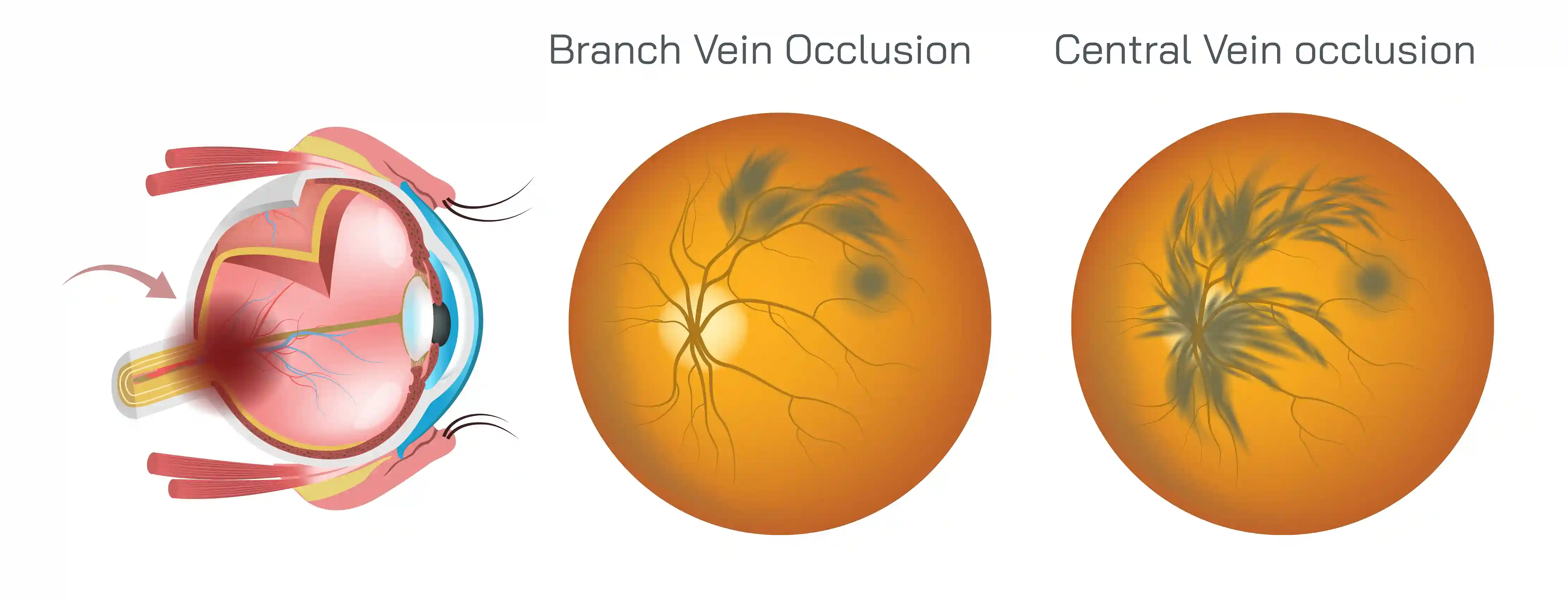
CRVO Symptoms You Should Not Ignore
CRVO symptoms can vary depending on the type and severity of the blockage.
Common symptoms include:
- Sudden blurred vision in one eye
- Distorted or hazy central vision
- Dark spots or floaters
- Reduced clarity or sharpness
- Partial vision loss
In ischemic cases, symptoms may appear more suddenly and be more severe. In non ischemic cases, changes may feel gradual but still noticeable.
Any sudden change in vision should be treated as urgent, especially when it affects one eye.
How Serious Is Retinal Vein Occlusion?
A common concern is how serious is retinal vein occlusion. The answer depends on the type and how quickly it is treated.
Non ischemic CRVO may be manageable with proper care and monitoring. However, ischemic CRVO can lead to significant complications, including severe vision damage and secondary conditions like glaucoma.
This is why CRVO is not just a temporary issue. It requires proper diagnosis, follow up, and treatment to protect long-term vision.
CRVO Diagnosis
CRVO diagnosis involves a detailed eye examination and imaging tests to evaluate the retinal blood vessels.
Doctors may use:
- Dilated eye examination
- Optical coherence tomography to detect swelling
- Fluorescein angiography to assess blood flow
- Retinal imaging to monitor changes
These tests help determine whether the condition is ischemic or non ischemic and guide treatment decisions.
Early CRVO diagnosis improves the chances of preserving vision.
Retinal Occlusion Treatment Options
Treatment focuses on managing complications and improving visual outcomes.
Common retinal occlusion treatment options include:
- Anti-VEGF injections to reduce swelling and prevent abnormal vessel growth
- Steroid injections to control inflammation
- Laser therapy in specific cases
- Management of underlying conditions like diabetes or high blood pressure
Treatment does not always restore vision completely, but it helps prevent further damage and stabilizes the condition.
Patients with retinal vein occlusion branch conditions may have similar treatments, though the severity can differ depending on whether the blockage affects a smaller vein or the central vein.
Why Early Action Matters
CRVO is a condition where timing directly affects outcomes. The longer the retina remains under stress from poor blood flow, the higher the risk of permanent damage.
Recognizing early symptoms and seeking prompt care allows for faster intervention. Even in less severe cases, monitoring is essential to prevent progression.
Ignoring symptoms or delaying treatment increases the likelihood of complications.
The Bigger Picture
CRVO is more than just an eye condition. It is often a sign of underlying vascular health issues. Conditions like high blood pressure, diabetes, and cholesterol problems play a major role in its development.
Understanding ischemic vs non ischemic CRVO helps patients and doctors make informed decisions about care. One type may be manageable, while the other requires urgent attention.
If you experience sudden vision changes, especially blurred vision in one eye, do not wait. CRVO does not resolve on its own. Early diagnosis and proper treatment are what protect your vision from long-term damage.